ServicesPaint Protection Film
Paint Protection Film in El Dorado Hills
Paint protection film puts a clear, self-healing sheet between your clear coat and the gravel, bug splatter and door scuffs it would otherwise wear. We fit it panel by panel in our shop, wrap the edges by hand, then check back after it cures with care steps you can follow.
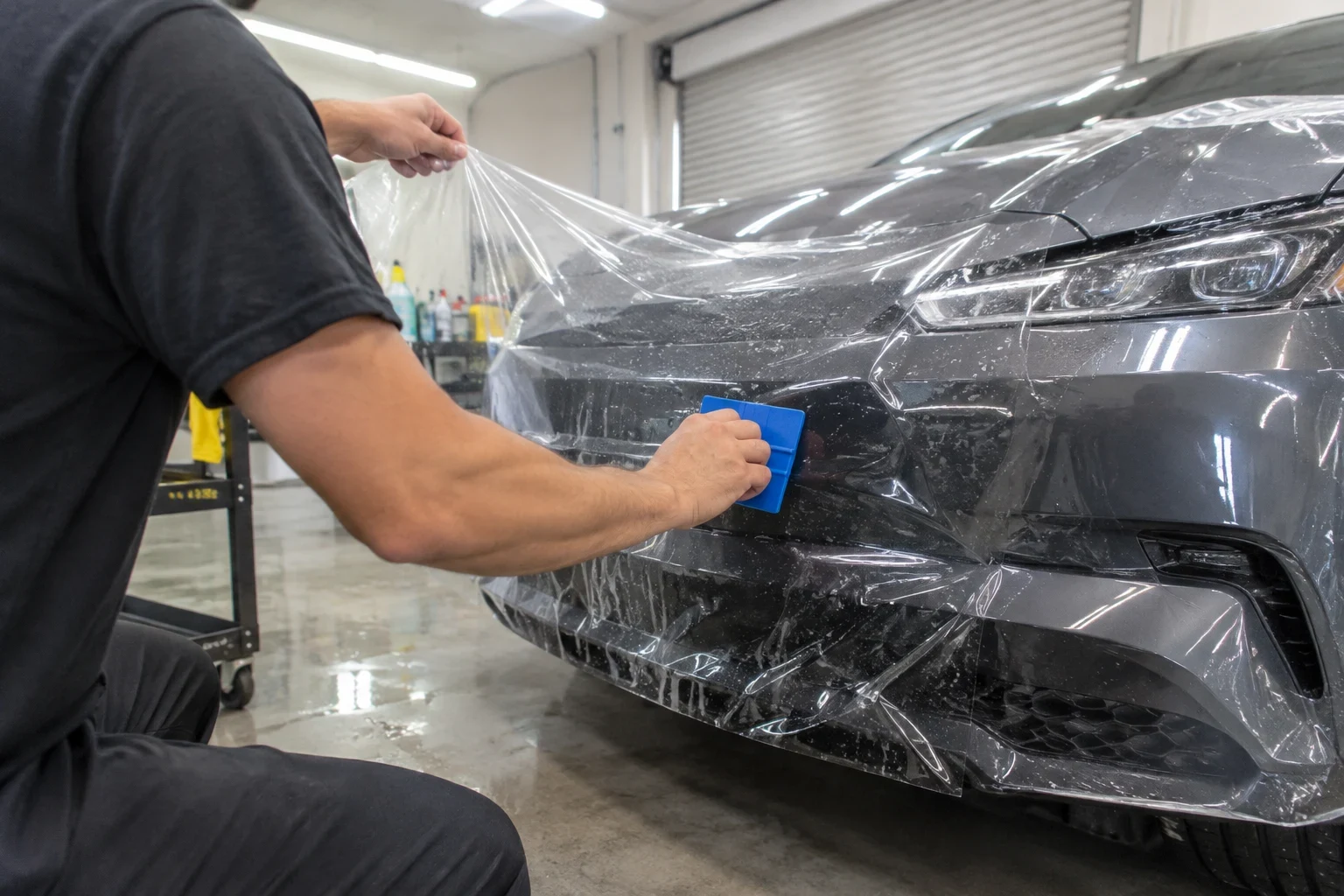
What the film does, and when it makes sense
Paint protection film, often called clear bra, is a thermoplastic polyurethane sheet with an acrylic adhesive on one side and a self-healing topcoat on the other. Fine swirls in that topcoat flatten out with heat from the sun or warm water. A stone that would knock a crater into your paint dents the film instead, and a damaged panel of film can be replaced without touching the paint under it.
It pays off most on a new car, or on paint that has just been corrected, because the film seals in whatever condition is underneath. Highway miles on Highway 50 throw a steady spray of gravel at bumpers, hood edges and mirror caps, which is why most owners start with the front end.
We have been installing out of our shop for 6 years. Our lead installer brings 15 years of experience to the part that decides how long a kit lasts: how cleanly the edges and seams are laid down, since that is where film starts to lift first.
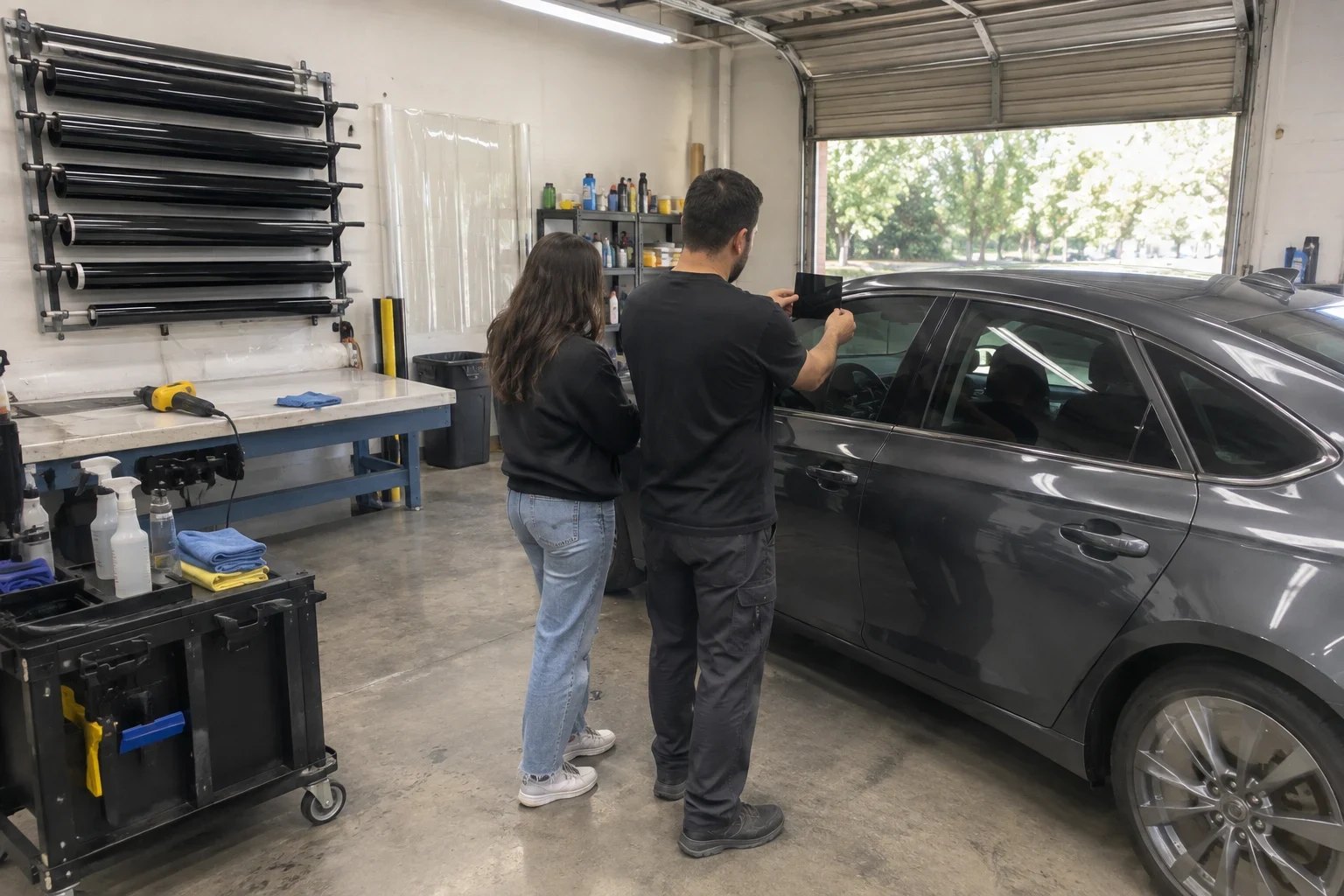
What a paint protection film install includes
- 01
Coverage planning
We walk you through the common layouts: a partial front with the leading edge of the hood and fenders, a full front, high-impact areas like rocker panels and rear wheel arches, or full body. You pick based on how and where you drive, not on a package we push.
- 02
Paint prep and decontamination
Film magnifies anything trapped under it, so the paint is washed, clay-barred, treated with iron remover and wiped with a panel prep solution. Existing chips get noted before install so nothing is a surprise later.
- 03
Hand-finished edges
Where panel gaps allow, we wrap film around the edge so there is no visible line to collect dirt. Emblems and trim come off where practical, and relief cuts go in the least visible spots on complex curves.
- 04
Wet install with slip and tack solutions
Film floats on a slip solution while it is positioned, then gets anchored with tack solution and squeegeed out. The remaining moisture works its way out through the film over the following days.
- 05
Check-back and care walkthrough
At pickup we explain how to wash the film during cure and after. Once it has settled, we check back to look at edges, corners and any moisture pockets that should have cleared.
Questions about Paint Protection Film?
Call(916) 884-6897Signs your car is ready for paint protection film
A new car is about to be delivered
The cleanest install happens before the first chip. Bringing a new vehicle in early means less paint correction before the film goes on.
Chips are spreading across the front
Small white specks on the bumper and the first few inches of the hood are rock strikes through the clear coat. Each one is an opening for corrosion on metal panels.
You just paid for paint correction
Polishing removes a thin layer of clear coat to get rid of swirls. Film keeps that finish from being worn down again by washing and road debris.
Old film is yellow, cracked or lifting
Older films and cheap kits can discolor and shrink at the edges. We remove the old film, clean off adhesive residue and install new material.
Long highway commutes
Steady highway speed turns sand and gravel into projectiles. Daily freeway drivers see chip damage much faster than around-town drivers.
How your install goes, start to finish
- 1
Phone consultation
We talk through your vehicle, its paint condition and which areas you want covered. You get a quote by phone and a drop-off day that fits the coverage.
- 2
Inspection and prep at the shop
We inspect the paint under shop lighting with you, point out existing chips or scratches, then decontaminate and prep every panel being covered.
- 3
Film install
Panels are filmed one at a time with slip and tack solutions, edges are wrapped or trimmed, and emblems and trim go back on. The car stays indoors while the adhesive takes its first set.
- 4
Pickup, care steps and follow-up
We go over what is normal during cure and how to wash the film. After it has settled, we check back and look at anything that has not cleared on its own.
What moves the price of paint protection film
Two cars can get very different quotes for the same word, clear bra. Price comes down to how much film goes on, how hard the panels are to wrap and what the paint needs before film can go over it. We explain each line on the phone so you know what you are paying for.
- Coverage area
- A partial front uses a fraction of the material and labor of a full front or full body. Rockers and rear arches add to it.
- Panel shape and vehicle size
- Deep bumper intakes, sharp body lines and large panels take more time and more careful stretching to avoid distortion.
- Paint condition
- Swirls, scratches and heavy contamination need correction before film, since film locks in whatever it covers.
- Old film removal
- Taking off aged film and cleaning baked-on adhesive adds labor, more so when the film has cracked into small pieces.
- Edge wrapping and trim removal
- Wrapped edges and removed emblems give a cleaner result and take longer than trimming film on the panel face.
Paint protection film questions
How soon can I wash the car after the film goes on?
Plan on waiting about a week so the adhesive can finish setting. After that, hand wash with a pH-neutral soap and keep a pressure washer nozzle well back from film edges. Skip abrasive polishes and compounds on the film, since they can dull the topcoat.
I see small hazy spots under the film. Is that a problem?
Small cloudy patches are usually leftover install solution, and they fade as moisture evaporates through the film over days to a couple of weeks, faster in warm sun. A true air bubble or a speck of dirt will not go away on its own. That is what our check-back is for, and we will tell you which one you are looking at.
Can I put ceramic coating on top of the film?
Yes, and plenty of owners pair the two. A coating made for use over film gives the urethane a slicker surface, so water beads off and bug residue lets go with less scrubbing. We offer a 3-, 5- or 9-year warranty on ceramic coatings, and the term follows the coating you pick. The Ceramic Coating page compares those choices side by side.
Will the film damage my paint when it comes off?
On factory paint, good film releases cleanly with heat and a slow, low-angle pull. Trouble shows up on repainted panels, where the newer paint may never have adhered properly to the layer beneath it, so it can lift with the adhesive. We look for signs of repaint during inspection and tell you what we find before any film goes on.
How long will my car be at the shop?
Time in the shop depends on how much film goes on and how much prep the paint needs. A front-end kit takes far less time than full body, and correction work stretches the schedule further. During the phone consultation we map out when to drop the car off and when you can expect it back.
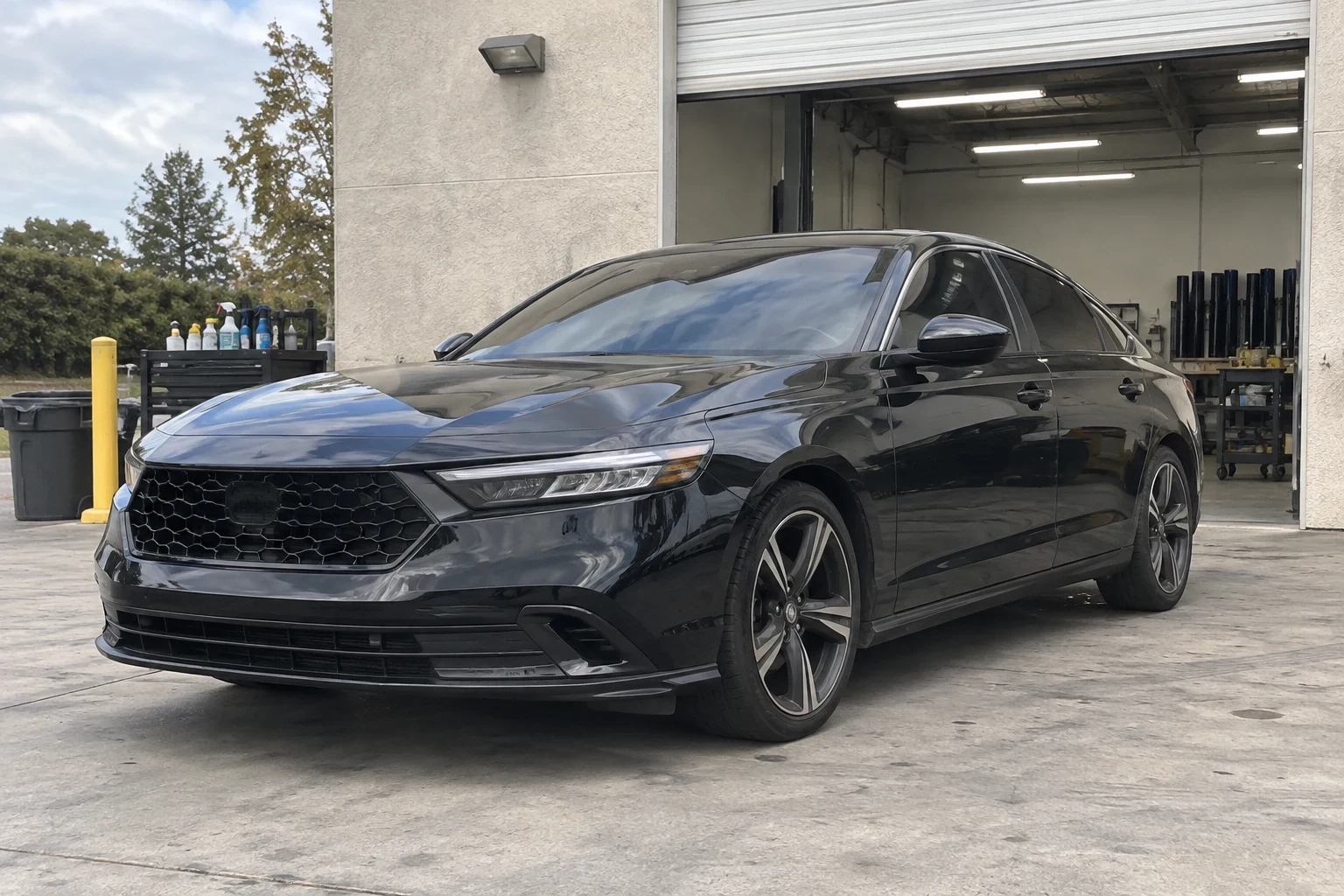
Talk through coverage before you commit
Tell us what you drive and where the chips are showing up, and we will lay out the coverage that makes sense. If you also want Window Tint or Windshield Protection Film, we can plan it in the same visit.